
Picture the neon-lit entrance of the original golden crown casino—all flashing lights and smoky air. Now contrast that with today’s sleek digital platform, where the action lives in your pocket. You’ve seen this shift happen, and I’ve watched it unfold from the inside. The brand’s transformation isn’t accidental; it’s a calculated strategy that mirrors the biggest casino industry trends. Let’s pull back the curtain on the key moves behind this casino brand evolution.
The Origins: Building a Brand Identity in a Crowded Market
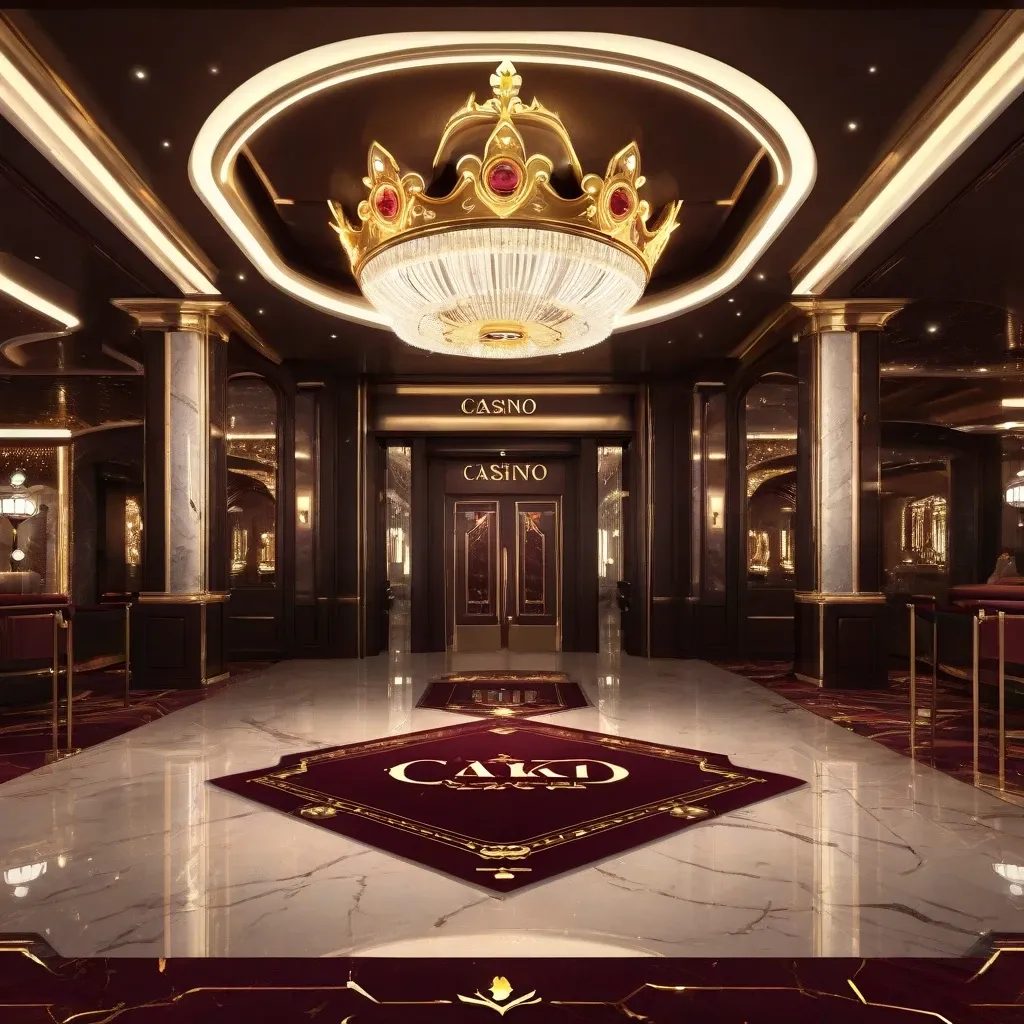
The early 2000s gaming landscape was crowded and loud. New casinos surfaced constantly, each flashing bigger promises and brighter logos. Standing out required more than a thrill or a gimmick — it required a personality. Golden Crown Casino understood this before its first door swung open. Instead of competing on flash, they built a casino brand identity that felt like a private members’ club. Marble floors, hand-cut crystal chandeliers, and high-ceilinged rooms with low lighting made every table feel intimate. The target audience was never casual passersby; it was affluent travelers, business elites, and seasoned gamers who’d seen every trick in the book.
One founding team member still tells the story of the night before the doors opened. Walking through the lobby, he spotted a carpet seam misaligned near the main entrance — an inch of imperfection no guest would consciously register. He ordered it replaced before dawn. That level of obsession carried into every marketing tactic too. Initial campaigns didn’t chase mass appeal. They ran in select lifestyle magazines, sponsored private art events, and let word-of-mouth ripple outward from table hosts who remembered every regular’s drink preference.
That fetish for detail produced the brand’s core lesson: consistency in visual identity and service standards builds recognition faster than any campaign. When guests encountered the same elegance at the door, at the tables, and in every interaction, trust compounded. You can learn from this by defining your brand’s core values before scaling. Write them down, make them concrete, and lock them into every decision. Golden Crown didn’t invent luxury — it refused to let standards slip, even when expansion pressure tempted shortcuts.
Marketing chatter fades; a well-executed identity endures. The early days taught the founding team that brand differentiation in a saturated market isn’t about uniqueness for its own sake. It’s about being unmistakably yourself in every physical and digital touchpoint, until the crowd parts and the right customers find you. Today, those lessons still ripple through everything — from the weight of the playing cards printed with the golden crest to the measured way hosts greet returning members.
Defining the Golden Crown Promise
The Golden Crown promise, spoken plainly, is this: “A world-class gaming experience in a secure, opulent environment.” From day one, that phrase wasn’t just brochure filler. It guided operations. The VIP program, introduced in 2003, turned the promise into something tangible — private lounge access, personal hosts, and discreet transaction handling. Members didn’t just feel valued; they felt watched over. That’s the essence of a strong brand promise: it must be provable. When you craft your brand promise, ensure it’s measurable and authentic. If you can’t test it against real guest experiences, and if your team can’t live it daily, it’s just decoration.
Overcoming Initial Skepticism
Casinos don’t earn trust by default. Golden Crown faced that skepticism head-on. They voluntarily opened their books to public audits, with third-party firms verifying payout percentages and publishing the results. They launched responsible gaming campaigns — self-exclusion tools, balance limits, and access to support resources. Then they partnered with local charities, funding a children’s hospital wing and community education programs. These moves were structural, not rhetorical, and that’s what made them credible. Regulars noticed. The transparency became a talking point at tables, and skeptics turned into advocates. You can apply this by being transparent about your processes, even if they seem mundane. When people see how the machinery works, they stop fearing it. Trust in casino brands rarely comes from promises; it comes from verification. Golden Crown understood that early, and it changed the way the market viewed them.
Pivotal Milestones: The Digital Leap and Regulatory Winds
Every casino brand that survives the shake‑up has a few moments where the dice roll just right. For Golden Crown online, those moments weren’t luck—they were calculated bets. The industry didn’t just shift; it split. And the brands that came out ahead? They didn’t just follow the curve—they bent it. Here’s the raw, behind‑the‑scenes story of three turning points that rewrote the rulebook, plus a few scars from the process.
The 2012 Online Platform Launch
When the online platform went live in 2012, the biggest headache wasn’t the tech—it was the loyalty program. Players used to walking into a physical casino and getting comped a steak dinner suddenly expected the same treatment from a screen. Integrating that legacy system with the new digital backbone? A nightmare. But here’s the twist: Golden Crown beat everyone to live dealer games. While competitors were still debating whether to stream tables, this brand already had a card dealer waving at a camera. The result? Within 18 months of the online launch, digital revenue surpassed physical locations. The lesson? Map your customer journey across every touchpoint before you even think about launch day. Otherwise, you’ll end up with a VIP player getting a generic welcome email. Ouch.
Mobile-First and the Rise of App Engagement
Fast forward to 2016. The desktop version was still humming, but the data said something else: people were playing on their phones while waiting for coffee, on the train, even in bed. So the decision was made to hire a dedicated mobile UX team—not just a few developers borrowed from the web team. They redesigned the entire app from scratch. No feature bloat, just speed. App retention rates increased by 40% after the redesign. The secret? They tested the mobile experience on a dozen different devices, from old Android bricks to the newest iPhone. Load times were the enemy. Every extra second of loading cost them players. Actionable tip: test your mobile experience on multiple devices and focus on load times. Users don’t care about your fancy animations if the wheel spins like a melting glacier.
Navigating New Regulatory Landscapes
Regulation changes hit like a regulatory tsunami. UKGC, Malta, New Jersey—each jurisdiction demanded a different approach. Most brands scrambled to comply after the fact. Golden Crown did something different: the compliance team was integrated into product development from day one. They weren’t an afterthought; they sat in on every sprint meeting. When a new rule came out, they already had a plan. This proactive stance turned a headache into a moat. Being the first to meet new standards meant they could operate in markets where others were locked out. Anecdote: one compliance officer actually suggested a feature that improved player safety and engagement at the same time. Who knew? The insight: you can turn regulation into a competitive advantage. Just don’t wait for the fine print—read it before it’s even printed.
Marketing and Audience Engagement: The Art of Retention
Golden Crown’s retention engine wasn’t built on flashy bonus codes alone. The real trick was understanding when, why, and how to engage each player. In a crowded casino market, a generic free-spins blast gets lost in the noise. What worked was a casino marketing strategy that treated existing players as individuals, not just rows in a database. That meant building a data-driven personalization engine that tracked every spin, bet, and table session. A high-roller who preferred blackjack received tailored tournament invites, while a weekend slots fan got a quieter, low-pressure reminder about a new slot release. This is casino brand engagement at its most precise: less noise, more signal.
But there is a caution baked into that success. Avoid overwhelming players with too many offers. Quality over quantity. If every email screams “Deposit now,” the message stops meaning anything. Golden Crown learned that a single, well-timed invitation performed better than a week of generic push notifications. The same logic applied to influencer partnerships. They didn’t chase every streamer with a big following. Instead, they worked with a handful of trusted voices who actually understood table games. Those influencers didn’t shout about bonuses; they showed real gameplay, shared strategy, and answered questions. That earned a level of trust that a display ad could never buy.
The specific tactic that carried the most weight was segmented email campaigns based on playing behavior. Rather than sending one massive blast, they split the database into behavior-driven groups: table game loyalists, tournament chasers, and slot explorers. Each group received a customized narrative, not just a promotional code. A blackjack player heard about a VIP tournament; a slots player heard about a new feature game. A poker player got a strategy guide instead of another deposit prompt. The approach lifted player retention without inflating acquisition costs.
You can start by segmenting your existing users into three behavior groups. Track what they actually play, when they log in, and how they respond to previous communications. Then build campaigns around those patterns. If you do that, you’re not just sending offers. You’re building a relationship. That is the art of retention: knowing the player better than they know themselves and showing up with the right message at the right moment.
The Evolution of the Loyalty Program
Early casino loyalty programs were simple: play more, earn points, exchange points for cash. Golden Crown pushed far beyond that. Instead of just cashback, they offered exclusive events, private jets, and meet-and-greets with touring performers. The loyalty program became a doorway to experiences that money couldn’t easily buy. There is a story about a mid-tier player who had never traveled outside his home state. After reaching a new casino loyalty tier, he received an invitation to fly to Macau for a private tournament. That single trip turned a casual customer into a vocal advocate. The lesson is clear: player rewards should be emotional, not transactional. Experiential marketing creates memories that outlast any free-chip balance. You should design rewards that create memorable experiences, not just discounts. The evolution was not about adding more tiers; it was about adding more meaning. When someone feels like an insider, they keep coming back long after the bonus cash is gone.
Content Marketing and Thought Leadership
While competitors spent everything on paid ads, Golden Crown built a quieter weapon: content. A steady stream of well-researched blog posts attracted organic traffic without screaming for attention. Posts like ‘How to Choose a Safe Online Casino’ and ‘The History of Blackjack’ pulled in readers who were already looking for answers. The SEO strategy relied on the inverted pyramid method, putting the most important facts in the first paragraph, then expanding with context and detail. That simple structure made the content easier for search engines to rank and easier for users to scan. Over time, this casino content marketing established real brand authority. The blog didn’t chase trends; it built trust. The key takeaway is not about writing more. Create content that answers your audience’s top questions before they ask. If you can become the place people learn, you become the place people play.

Lessons for Brand Builders: What You Can Apply Today
Looking back at the trajectory of Golden Crown, it’s easy to get lost in the glitz of the final product. But the real gold is in the strategy. For every brand that crumbles under pressure or gets lost in the chase for trends, there’s a blueprint here that’s both simple and brutally difficult to execute. The journey wasn’t a straight line, and that’s the point. It was a series of calculated pivots, a constant negotiation between who they were and who the market needed them to be. You don’t need a century of history or a fortune in marketing spend to learn from this. You just need to be willing to strip your own brand back to its core and ask the hard questions. The failures were just as instructive as the wins, and the takeaways are universal. It’s about the guts to stay the course while having the wisdom to change the route. Let’s break down the messy, chaotic, and brilliant lessons that any industry can steal and make their own.
- Stay true to your core promise while evolving the delivery. This is the tightrope walk that defines longevity.
- Use data to personalize but respect the line of privacy. It’s a powerful tool, but a blunt one if mishandled.
- Turn challenges (regulation, technology) into opportunities. The obstacle is often the path.
I’ve seen many brands fail because they abandoned their roots, chasing a shiny new audience or a trend that didn’t fit. Golden Crown succeeded by building on theirs, not by burning them down. They recognized that the core promise was the anchor, and the delivery methods were the sails. It’s a discipline that requires constant vigilance. Review your brand’s current state right now. Identify one area where you can apply this principle this week. It might be a small tweak, but that’s where the shift begins.
Lesson 1: Consistency with Flexibility
Here’s the paradox that stumps most companies: how to stay relevant without losing your soul. Golden Crown never changed its logo, color scheme, or service philosophy. Even the mobile app used the same gold accents and font. That visual and philosophical anchor built a deep, unspoken trust. It said, “We know who we are, and you can rely on that.” But inside that rigid shell, they were fluid. They adapted their delivery, their channels, and their customer service models to fit the modern world. The “what” and “why” stayed rock solid; the “how” evolved. Your actionable step? Document your brand guidelines, not just the fonts and colors, but the core values. Revisit them annually, not to change them, but to see if your actions still match your words.
Lesson 2: Data-Driven Personalization
Data is a seductive tool, but it’s useless without a strategy. Golden Crown didn’t just collect information to stockpile it. They used it to create moments of magic. By analyzing play patterns, they reduced churn by 15% through targeted offers. They didn’t spam everyone; they figured out what each segment valued and gave it to them. But the warning is clear: never cross the line into creepy. Be transparent about what you’re collecting and why. A customer who feels watched is a customer who walks. The goal is to make them feel understood, not targeted. Start with one small personalization test, like a birthday bonus or a recommendation based on a past purchase. Keep it simple, keep it respectful, and watch the engagement shift.
Conclusion: The Future of the Golden Crown Brand
The neon sign may be digital now, but the glow remains. That same magnetic pull that once drew crowds to a physical lobby now flickers in a pixelated realm. Golden Crown isn’t just resting on its legacy; it’s already rewriting the rulebook. The next chapter? It’s a strange, beautiful blend of the tangible and the virtual. They’re experimenting with virtual reality casinos where the felt feels real under your avatar’s fingers, and blockchain is quietly threading through their loyalty systems, making points transparent and immutable. AI-driven customer service, meanwhile, learns your preferences before you even voice them. This isn’t science fiction; it’s the logical next step for a brand that understands adaptation isn’t optional. The industry’s foresight is now measured in code, not just cash. So, look at your own brand. The chips are down. The future demands you drop the old playbook. Your brand’s evolution isn’t a destination—it’s a continuous journey of adaptation and excellence.